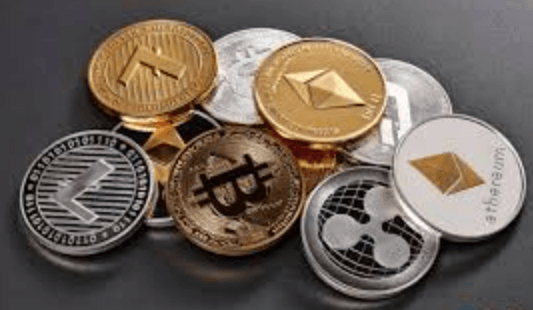
Understanding crypto starts with core terms: blockchain as a tamper-evident ledger, wallets as access points, and tokens as network value or utility. Investors should grasp volatility, risk management, and diversification, alongside audits, compliance, and regulatory signals that affect trust. Clarity comes from credible data and disciplined evaluation, not hype. The landscape remains evolving, and the practical next steps require a careful, methodical approach to each concept before acting. What questions will guide that initial assessment?
Crypto Terms You Actually Need to Know
There are several crypto terms essential for newcomers to grasp quickly.
The section presents foundational concepts in a concise, formal manner, avoiding jargon.
It emphasizes risk management as a guiding principle and outlines a diversification strategy to mitigate exposure across assets.
Clarity aids autonomy, ensuring readers can evaluate terminology without ambiguity while maintaining a disciplined, freedom-oriented approach to learning and participation.
How Blockchain, Wallets, and Tokens Do Their Jobs
blockchains, wallets, and tokens each play distinct, interlocking roles that enable decentralized systems to function: blockchains provide a tamper-evident ledger of transactions; wallets offer secure interfaces for user access and control of digital assets; and tokens represent value, rights, or utility within a given network.
This illustrates blockchain basics and token mechanics, clarifying how trust, access, and value circulate across ecosystems.
Volatility, Compliance, and Audits: What Investors Should Know
Volatility, compliance, and audits shape how investors assess and manage risk in digital asset markets.
The discussion emphasizes how market movements, regulatory expectations, and independent verifications influence decisions.
It explains volatility and compliance as dynamics guiding strategy, while audits and investors highlight trusted practices.
Clarity in procedures supports freedom to allocate capital responsibly, balancing potential gains with disciplined oversight and accountability.
See also: maltajournal
Reading Crypto Markets and Safer Investing: A Practical Checklist
What practical steps can readers take to interpret crypto market signals and invest with greater safety? The checklist emphasizes disciplined analysis, independent risk controls, and skepticism toward volatility claims. It prioritizes audit insights, transparent data, and diversified exposure. Readers should monitor liquidity, credible sources, and warning signs of volatile pitfalls, ensuring decisions align with long-term objectives rather than speculative hype.
Conclusion
In learning crypto, readers should internalize core concepts: blockchain as a tamper-evident ledger, wallets as secure access points, and tokens as network value. Awareness of volatility, risk, and diversification remains essential, as do audits and regulatory signals that bolster credibility. Practical judgment and credible sourcing guard against hype. By applying disciplined evaluation and transparent data, investors can navigate evolving markets more safely. The journey is like charting a steady course through fog, guided by reliable signals and measured steps.
