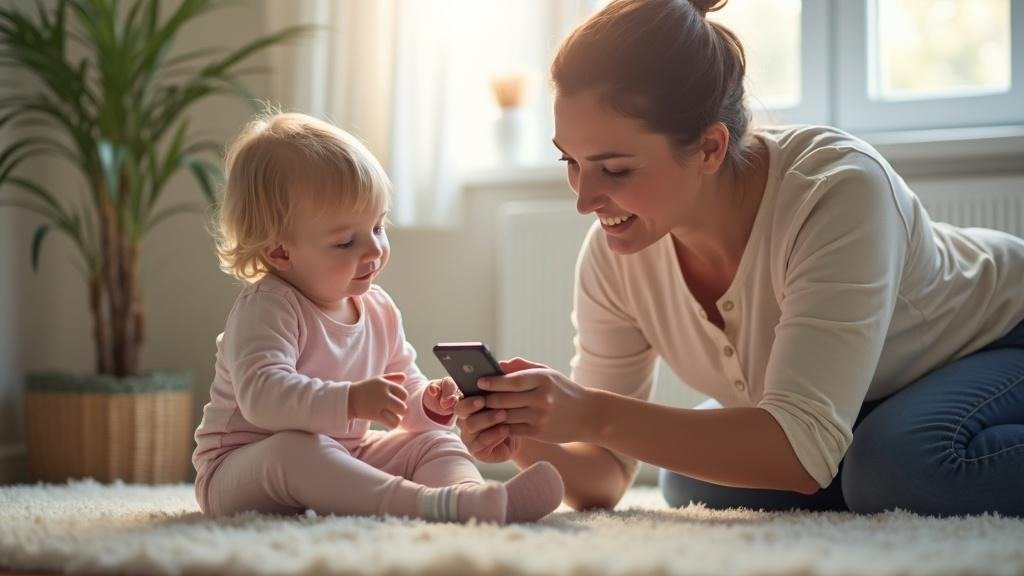
My neighbor’s four-year-old was getting a speech therapy referral, and her mom asked me one question: “Is there anything we can do at home in the meantime that won’t cost a fortune?” Good question. Between waitlists, insurance gaps, and the price of private SLP sessions, a lot of families end up looking for something they can run on an iPad after dinner.
I went through the options that are actually used by real families, checked current pricing, and thought hard about which ones earn their spot on a phone. Here’s what I found.
What I Looked At
Before the list: a quick note on how I sorted these. I cared about four things. First, whether the price is genuinely accessible, not “affordable” buried behind a $300/year subscription. Second, whether the design respects how kids actually behave, including kids who have sensory sensitivities or short attention windows. Third, whether a parent gets anything useful back, not just a score screen. Fourth, whether the app is honest about its own limits, because none of these replace a licensed speech-language pathologist and the good ones say so.
See also: How Technology Is Revolutionizing Communication Systems
The 7 Apps
1. Little Words
The single thing that sets this one apart from every other app on this list: the child just talks. No menus to tap, no text to read, no answer buttons. Buddy, an AI companion built into the app, holds an actual back-and-forth conversation, remembers the child’s name and favorite topics from session to session, and models correct pronunciation without ever flagging an answer as wrong. For a pre-reader or a kid who shuts down the second something feels like a test, that design choice matters enormously.
It’s built for ages 2 to 8 and specifically designed with neurodivergent kids in mind, including those with autism, ADHD, apraxia, and sensory sensitivities. Sessions run 5 to 20 minutes depending on what the parent sets. There’s a mood check before each session so Buddy can adjust his energy. Parents get a progress dashboard and SLP-style PDF reports they can actually bring to a therapist appointment. A free trial is available, then it moves to a subscription managed through device settings. No ads. COPPA compliant.
It is a practice tool, not a clinical device, and it does not replace an SLP.
2. Speech Blubs
Speech Blubs is voice-controlled and leans heavily on video modeling, where a child watches other kids or characters produce a sound and then tries to mirror it. There are over 1,500 activities organized into themed sections, covering vocabulary, articulation, and general speech development. It’s used by families dealing with apraxia, autism, ADHD, and speech delay. Pricing runs roughly $14.49 per month, $59.99 per year, or $99.99 as a one-time lifetime purchase. The lifetime option makes it one of the cheaper long-term bets if your child will use it for more than a year.
3. Articulation Station (Little Bee Speech)
This one was built by speech-language pathologists and it shows. The focus is narrow and intentional: articulation and phonological patterns, with over 1,200 target words organized by sound and word position. It does not try to be a general language app. That specificity is actually a strength if your child’s SLP has identified particular sounds to work on and you want a home-practice tool that lines up with clinical targets. The Pro version is a one-time purchase around $59.99, which beats most monthly subscriptions over any reasonable time horizon.
4. Otsimo
Otsimo targets kids with autism, apraxia, Down syndrome, and non-verbal or minimally verbal profiles. It includes over 200 exercises and offers AI-based feedback on responses. Pricing is one of the more accessible on this list: roughly $6.99 per month, $4.49 per month when billed annually, or $115.99 for lifetime access. The annual plan works out to under $54 for the year. For families who need something built around more significant support needs rather than mild articulation delay, Otsimo is worth a close look.
5. Tactus Therapy Apps
Tactus makes a suite of separate clinical apps, each targeting a specific skill area. Prices range from about $9.99 to $99.99 per app depending on complexity. These skew more toward older kids and adults recovering from stroke or injury, though some apply to developmental delays. If a child’s SLP recommends a specific Tactus title, it’s probably the right call. Without clinical guidance, picking the right one from the catalog can be confusing.
6. Constant Therapy
Constant Therapy started as a rehabilitation tool for acquired language disorders and has expanded its age and use range. It is evidence-based and tracks progress in detailed ways that clinicians appreciate. It works best when paired with professional oversight. The pricing model is subscription-based. It is more clinical in feel than the other apps here, which can be a feature or a drawback depending on what a child needs.
7. Free and Library-Based Resources (ASHA + Local Libraries)
Not glamorous, but real. The American Speech-Language-Hearing Association publishes free parent guides and activity ideas at no cost. Many public libraries give cardholders free access to apps through platforms like Libby or Hoopla, occasionally including early-language tools. If budget is genuinely the binding constraint, start here before spending a dollar anywhere else.
How to Actually Choose
Match the tool to the child. A kid who resists anything that feels like schoolwork needs something conversation-based and low-stakes. A kid who responds well to structured repetition might do fine with a drill-style articulation app. Check whether your SLP has a preference, because the best outcome is when home practice reinforces what happens in sessions, not pulls in a different direction.
And if there’s no SLP in the picture yet, consider teletherapy services like Expressable as a parallel step. Apps are practice. A licensed clinician is diagnosis, treatment planning, and accountability.
Common Questions
Does Little Words actually work differently from a flashcard-style app like Articulation Station?
Yes, in a meaningful way. Little Words runs open-ended conversation through an AI companion, so the child never sees a target word or a score. Articulation Station organizes over 1,200 words by sound and position for structured drill. One suits kids who shut down under pressure; the other suits kids who respond well to repetition with clear targets.
Is Speech Blubs worth buying at the lifetime price versus monthly?
At $99.99 one-time versus $14.49 per month, the lifetime option pays for itself in under seven months. If your child is likely to use the app for a full year or more, the math strongly favors buying outright. The annual plan at $59.99 is the middle ground for families who want to try it for a year first.
Can Otsimo be used without any professional guidance, or does it need an SLP directing it?
Otsimo can be used independently by families, and many do. That said, its exercises are designed around specific diagnoses like apraxia and autism, so knowing which profile fits your child helps you pick the right activities. Without any clinical input, a parent may spend time on exercises that don’t match the child’s actual needs.
Which of these apps would an SLP most likely already know about and be willing to discuss?
Articulation Station and Tactus Therapy apps are both built by or in close collaboration with speech-language pathologists, so most practicing SLPs are familiar with them. Constant Therapy also has a clinical reputation from its rehabilitation origins. Mentioning any of these by name in a therapy appointment is unlikely to draw a blank stare.
Are any of these apps genuinely free, or does “free trial” always mean a paywall follows?
ASHA’s parent resources are fully free with no paywall. Library platforms like Libby and Hoopla are free with a library card. The other apps on this list offer free trials of varying length before requiring payment. None of the paid apps are free in ongoing use, so budget accordingly before a child gets attached to one.
Sources
- American Speech-Language-Hearing Association (ASHA): asha.org
- Speech Blubs pricing and feature descriptions: published listings on the iOS App Store and Android Google Play storefronts
- Articulation Station / Little Bee Speech: official developer site and App Store description
- Otsimo: official website and app store listings
- Tactus Therapy Solutions: official website
- Constant Therapy: official website and published app descriptions
